FSSAI Export Import License
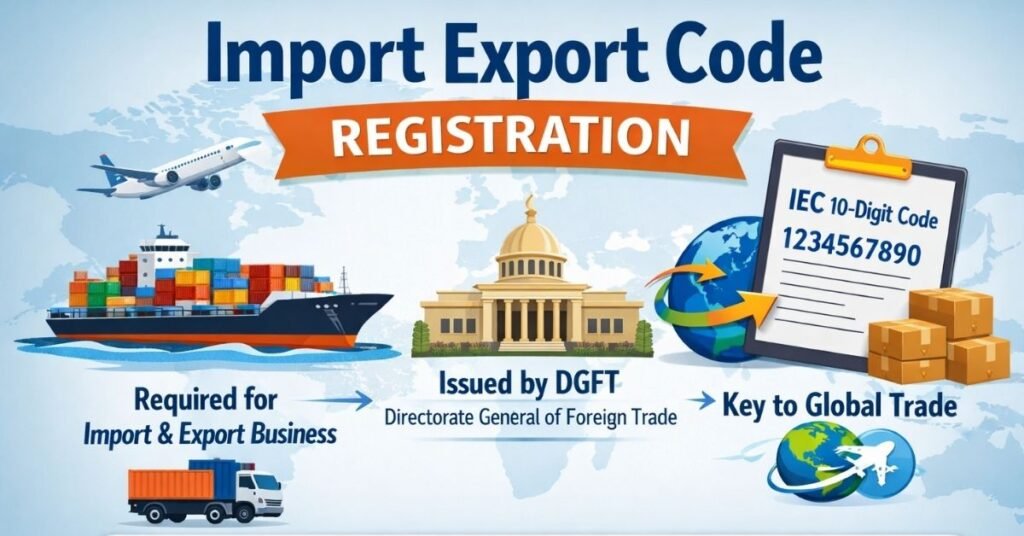
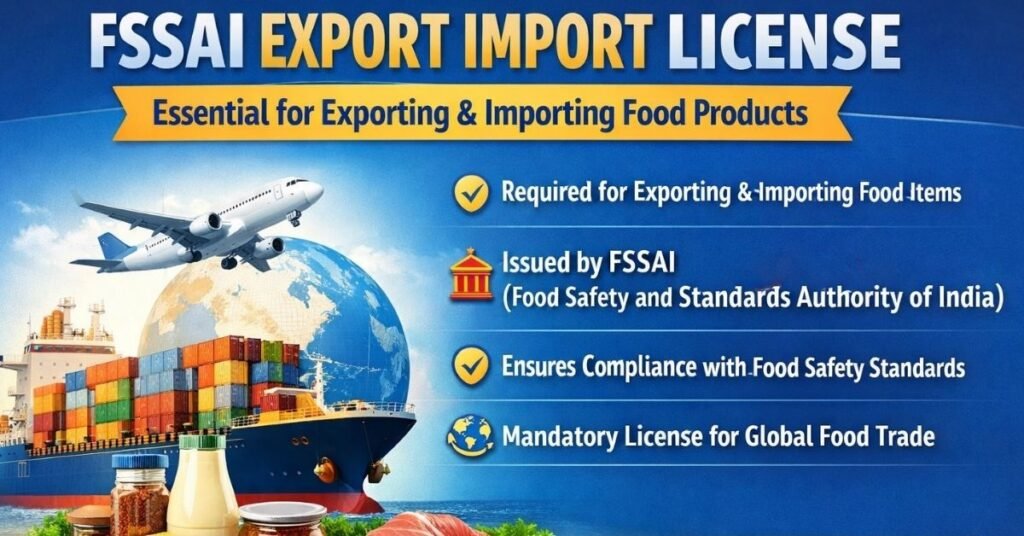
The global food trade looks exciting from the outside, but behind every smooth export or import lies strict regulation and careful compliance. In India, food businesses cannot step into international markets without meeting food safety rules defined by law. This is where the FSSAI Export-Import License becomes essential. It acts as legal proof that the food being sent out of India or brought into the country meets prescribed safety and quality standards. Without this license, even a perfectly packed shipment can stop at customs. For exporters and importers, understanding this requirement early saves time, money, and unnecessary stress, while also building long-term trust in global trade. What Is an FSSAI Export Import License? The FSSAI Export Import License is a Central FSSAI License issued by the Food Safety and Standards Authority of India. It allows food businesses to legally export food items from India or import food products into India. FSSAI regulates food safety under the Food Safety and Standards Act, 2006. For export and import, the law requires stricter compliance because food crosses borders and affects international consumers. In simple words, if your food travels outside India or enters India from another country, FSSAI wants proof that it is safe, traceable, and compliant with Indian food laws. Is the FSSAI Export Import License Mandatory? Yes, it is mandatory.Any food business involved in exporting or importing food must hold a Central FSSAI License with Export-Import endorsement. Customs authorities verify this license before clearing food consignments. This requirement applies even if you already hold a State or Basic FSSAI Registration. Those licenses work only for domestic trade. Export and import fall under central jurisdiction. According to FSSAI and Indian Customs guidelines, food consignments without valid FSSAI licensing can face rejection, re-export, or destruction. Who Needs an FSSAI Export Import License? You need this license if you fall into any of these categories: Food exporters sending packaged or processed food outside India Food importers bringing food items into India Manufacturers exporting their own branded food products Traders importing food for resale or distribution E-commerce sellers shipping food internationally Even small businesses and startups must comply. FSSAI does not give exemptions based on company size when it comes to food safety. Difference Between FSSAI Export Import License and IEC This part often confuses people, so let’s clear it logically. The IEC (Import Export Code) is issued by the Directorate General of Foreign Trade (DGFT). It allows you to participate in international trade. The FSSAI Export Import License focuses only on food safety compliance. You need both. Think of IEC as your passport to trade and FSSAI as your health clearance. One without the other does not work for food products. Products Covered Under FSSAI Export Import License FSSAI covers almost all food categories, including: Packaged food items Processed foods Dairy products Meat and seafood Spices and condiments Health supplements and nutraceuticals Beverages, alcoholic and non-alcoholic FSSAI checks labeling, ingredients, additives, shelf life, and hygiene standards. This protects both Indian consumers and India’s reputation in global markets. Documents Required for FSSAI Export-Import License The documentation process remains transparent and structured. FSSAI asks for documents that prove identity, location, and food safety responsibility. You usually need: Company or firm registration proof Import Export Code issued by DGFT Address proof of business premises List of food products for export or import Authority letter and identity proof of responsible person Food safety management plan declaration FSSAI may ask for additional details depending on product category. This ensures risk-based regulation instead of random approvals. How to Apply for FSSAI Export Import License The application process happens online through the FoSCoS portal, which replaced the older FLRS system. You start by selecting a Central License and choosing export or import activity. After uploading documents, you pay the government fee and submit the application. FSSAI officials review the details. In some cases, they may ask for clarification. Once approved, the license gets issued with a unique 14-digit FSSAI number. The process follows standard timelines defined by FSSAI, making it predictable and transparent. Validity and Renewal of the License The FSSAI Export Import License remains valid for one to five years, based on the option you choose during application. Renewal must happen before expiry. Late renewal attracts penalties and may disrupt shipments. Smart exporters renew early, because customs systems sync with FSSAI databases. Why This License Builds Trust and Business Growth This license does more than satisfy a legal requirement. It builds trust with international buyers who expect regulatory compliance. It improves clearance speed at ports and airports. It reduces the risk of shipment rejection and financial loss. It shows commitment to global food safety standards. Countries importing Indian food often rely on FSSAI certification as a baseline. A valid license strengthens India’s credibility in global food trade. Common Mistakes Businesses Should Avoid Many delays happen because of simple mistakes. Applying under the wrong license categoryMismatch between IEC details and FSSAI recordsIncomplete product listsIgnoring renewal deadlines Avoid shortcuts. Food regulations reward accuracy, not speed. Trusted Authorities Behind FSSAI Export Import Licensing This system operates under well-defined government bodies: Food Safety and Standards Authority of India (FSSAI) Ministry of Health and Family Welfare Directorate General of Foreign Trade (DGFT) Indian Customs and Port Health Officers These authorities follow published regulations and standard operating procedures. That is why businesses should rely only on official compliance paths instead of assumptions. Final Thoughts The FSSAI Export Import License is not paperwork for the sake of paperwork. It exists to protect consumers, businesses, and India’s global food image.If your business touches international food trade, this license becomes your legal and ethical foundation. When you treat it seriously, trade becomes smoother, safer, and more profitable.In food export and import, trust travels faster than containers. FSSAI helps you deliver both.