
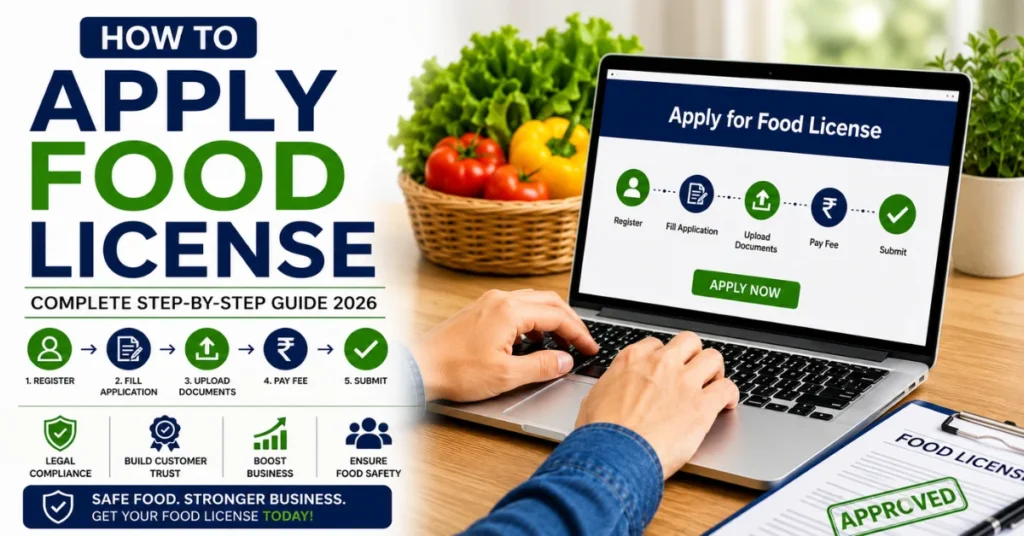
How to apply Food License - Documents , Fees & Process
To Get Food License Apply Food License with Highly qualified and Long Experience professionals who ensure a fast, Easy and hassle-free process for Food License From Application documentation to approval. Shugam Consultant are Well Qualified and have a Long Experience in Manufacturing, Relabeller , Import , Export, Restaurant License fof all Kind of State and Central License
Types of Food License
Basically Kind of Food License depend on the Annual Turnover and scale of Food Business Operator ( FBO)
Basic Food Registration
For Small scale Businesses, its Turnover upto 1.5cr per Annual Like Small Food Manufacturing Unit, Restaurant, Café, Commercial Kitchen, Retailer, Supplier Etc.
State Food License.
For Medium Food Business Operator, its turnover from 1.5cr to 50 Cr per Annuam. Like Manufacturing Unit, Restaurant, Food Transporter, Wholeseller, Commercial Kitchen. Supplier etc.
Central Food License.
For Large Scale Businesses, which Turnover Above 50cr Per Annuam Operation in Multi State like Manufacturing Units. Suppliers, Wholeseller, Repacker, Relebeller and Import and Exporter
What is a Food License?
A Food License is an authorization issued by FSSAI that allows businesses to manufacture, process, package, store, distribute, or sell food products legally in India.
The primary purpose of a food license is to ensure that food products are safe for consumption and meet prescribed quality standards.
Benefits of a Food License
- Legal compliance with food regulations
- Increased customer confidence
- Improved business reputation
- Better food safety management
- Easier expansion opportunities
- Eligibility to partner with online food delivery platforms
Today, consumers are more aware of food safety than ever before. Displaying a valid food license helps build credibility and trust.
Documents Required to Apply for Food License
Preparing the necessary documents in advance can help avoid delays.
Basic Documents
- Aadhaar Card
- PAN Card
- Passport-size photograph
- Business address proof
- Mobile number
- Email address
Additional Documents
For State and Central Licenses:
- Partnership deed or incorporation certificate
- Food Safety Management System (FSMS) plan
- List of food products
- Machinery and equipment details
- Water testing report
- NOC from local authority (if required)
Step-by-Step Process to Apply for Food License Online
Step 1: Identify Your License Category
Determine whether your business requires Basic Registration, State License, or Central License based on turnover and business activities.
Step 2: Register on the FoSCoS Portal
Create an account using your email ID and mobile number.
Step 3: Select Business Type
Choose the appropriate Food Business Operator (FBO) category.
Examples include:
- Restaurant
- Retailer
- Wholesaler
- Manufacturer
- Importer
- Caterer
Step 4: Complete the Application Form
Provide accurate information such as:
- Business name
- Business address
- Contact details
- Nature of food business
- Product categories
Step 5: Upload Documents
Upload clear and valid scanned copies of all required documents.
Step 6: Pay Government Fees
The fee depends on:
- License category
- Business type
- License validity period
Step 7: Submit the Application
Review all details carefully before final submission.
Step 8: Inspection (If Required)
For some State and Central License applications, food safety officers may inspect the premises before approval.
Step 9: Download the License
After approval, download the food license certificate and display the registration number as required.
Common Mistakes to Avoid
Many applications face delays due to simple mistakes.
Avoid These Errors
- Selecting the wrong license category
- Uploading unclear documents
- Providing incorrect business details
- Missing mandatory documents
- Ignoring application updates
- Failing inspection requirements
A careful review before submission can prevent unnecessary delays.
Practical Tips for Faster Approval
Keep Documents Ready
Ensure all documents are updated and clearly scanned.
Maintain Food Safety Standards
Clean and hygienic premises improve the chances of smooth approval.
Apply Before Starting Operations
Obtaining a food license before commencing business activities helps avoid penalties.
Seek Professional Assistance
Professional consultants can help ensure error-free filing and faster processing.
Why Food Licenses Are Important in 2026
Food safety regulations continue to become more important as consumers demand higher quality and transparency.
Studies show that customers are more likely to trust businesses that display valid food licenses. Food delivery platforms and large retailers also prefer working with licensed businesses.
A valid food license helps:
- Increase customer trust
- Enhance brand reputation
- Avoid legal penalties
- Expand business opportunities
- Improve compliance with food safety standards
Conclusion
Understanding how to apply food license is essential for every food entrepreneur in India. The process is straightforward when you choose the correct license category, prepare the required documents, and follow the official application procedure. A food license is more than a legal requirement—it is a symbol of quality, safety, and trust. By following the steps outlined in this guide, businesses can obtain their license efficiently and operate with confidence in 2026 and beyond.
Leave a Comment
Have a question or suggestion? Share your thoughts below.